Differentiable simulation
Methods for optimizing through elastic bodies, cloth, fluids, articulated systems, contact, friction, and other dynamics central to graphics and robotics.
A half-day forum on simulation as an optimization, learning, and generation primitive across graphics, robotics, 3D vision, design, and fabrication.
Differentiable physics is moving from a specialized simulation technique into a shared substrate for graphics, physical AI, reconstruction, optimization, and fabrication.
Methods for optimizing through elastic bodies, cloth, fluids, articulated systems, contact, friction, and other dynamics central to graphics and robotics.
Converting visual and generative representations, from images and meshes to neural fields and generated assets, into simulation-ready geometry, constraints, and material parameters for computation.
GPU programming, robust solvers, parallel simulation environments, and differentiable frameworks that make optimization and learning loops feasible at useful scale.
Applications in system identification, control, generative modeling, digital fabrication, garment and scene understanding, and embodied interaction with the physical world.
The keynote and lightning speakers are researchers working across avatar systems, robotics, GPU simulation, geometry processing, physical AI, generative content creation, and fabrication.
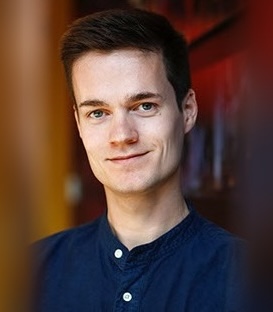
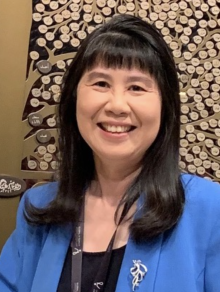


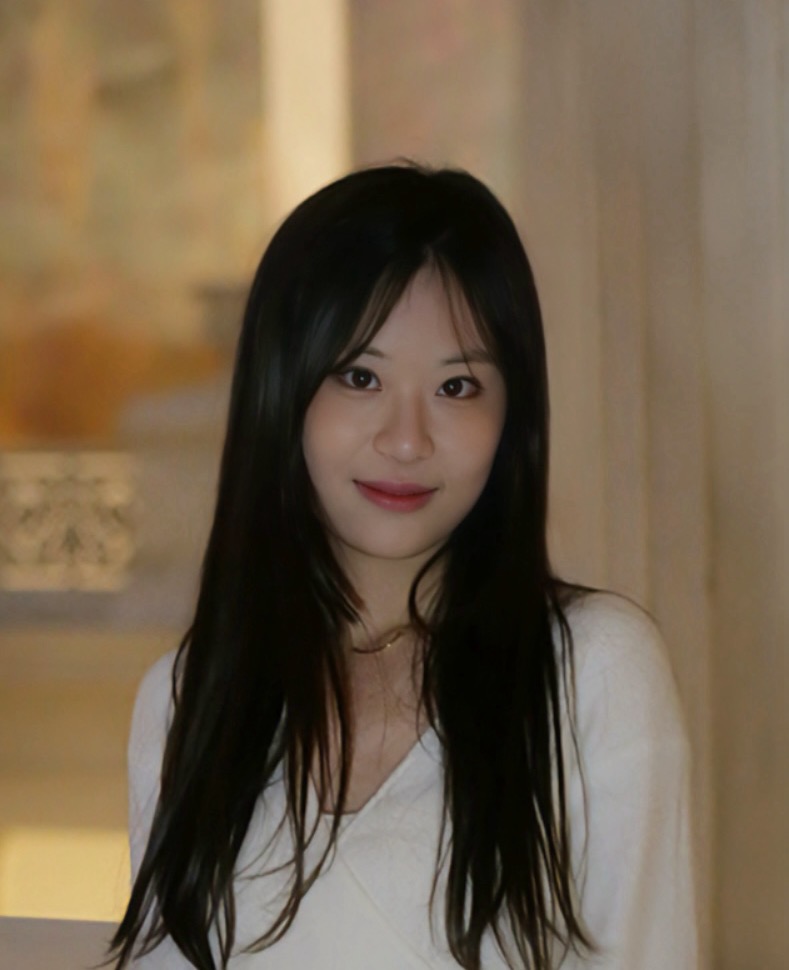
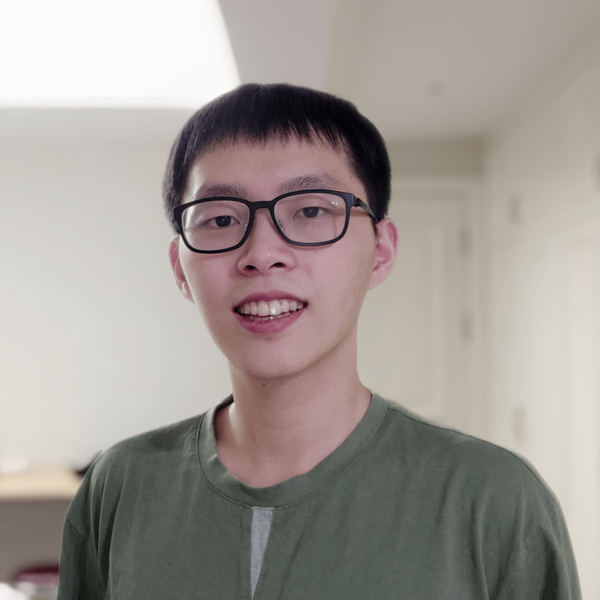
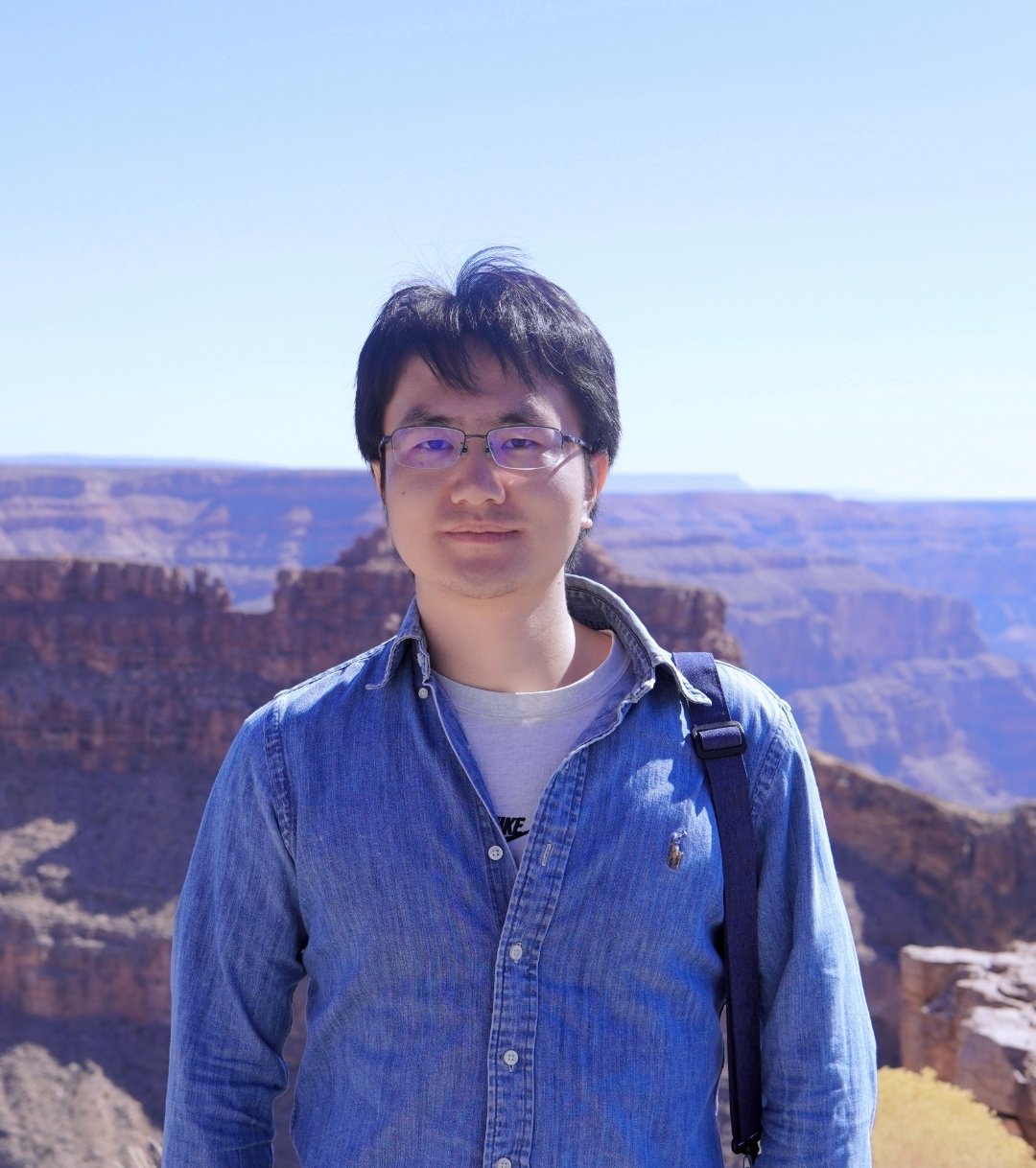
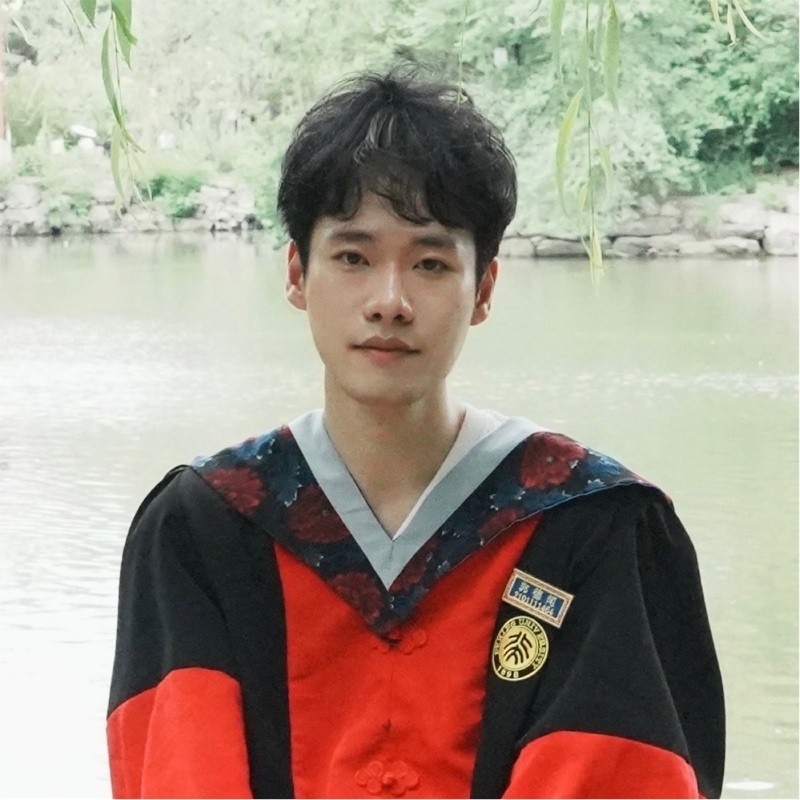


Monday, July 20, 2:00-5:30 PM, Room 406 AB. Keynotes include 30 minutes of talk plus 5 minutes of Q&A; lightning talks include 5 minutes of talk plus 1 minute of Q&A.
Yin Yang
Tuur Stuyck · slides
Ming Lin
Miles Macklin · slides
Dewen Guo slides, Ying Jiang, Yifei Li
Denis Zorin
Open problems, benchmarks, practical barriers, and collaboration opportunities.
The organizing team connects simulation, graphics systems, robotics, physical AI, and differentiable computation across academia and industry.
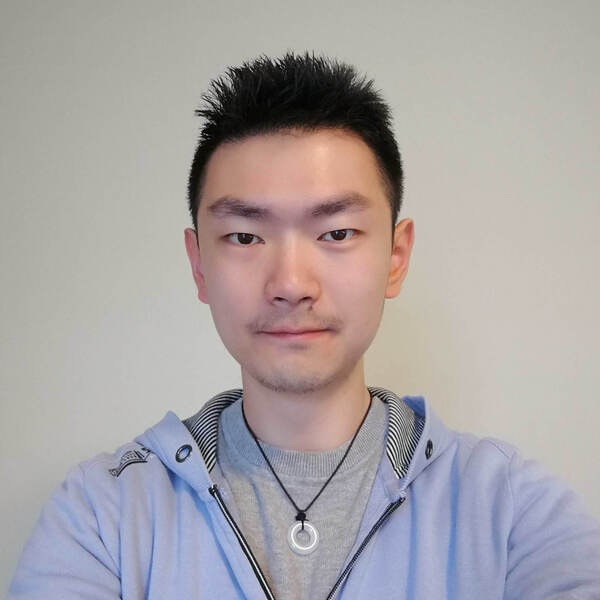
Professor · UCLA
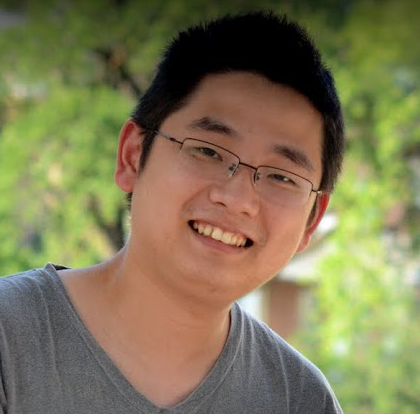
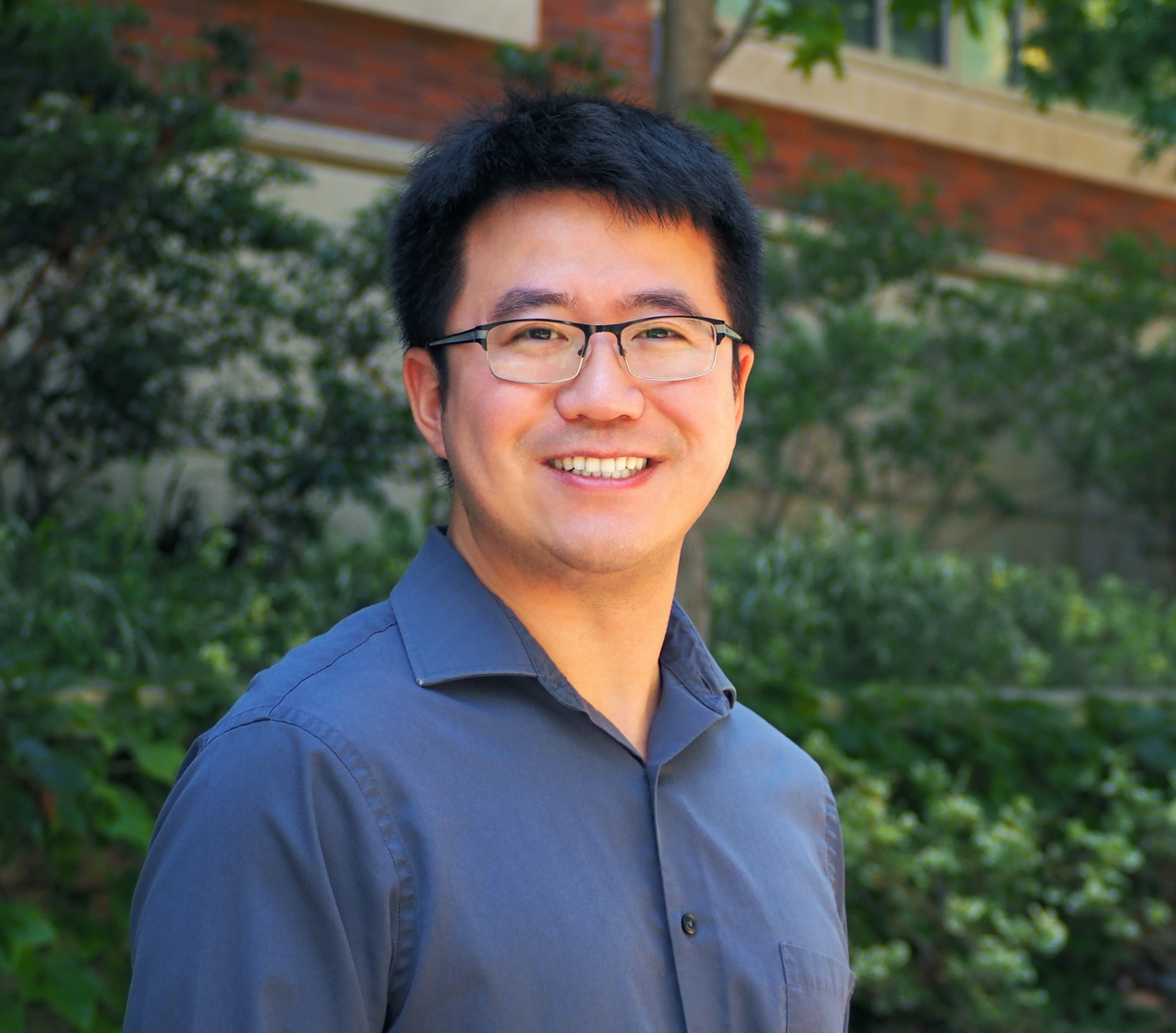
Associate Professor · University of Utah
Senior Manager, Robotics · NVIDIA
DPGAI is for researchers, practitioners, and students who want differentiable simulation to connect pixels, geometry, materials, policies, and fabrication into one editable physical pipeline.
Join us for four keynotes, two lightning sessions, and a closing discussion on the algorithms, systems, benchmarks, and representations needed for differentiable physics in graphics and AI.